

Scoliosis Recovery System


Scoliosis is not simply a “curved spine.” It is a three-dimensional structural imbalance involving the spine, rib cage, pelvis, muscular chains, breathing mechanics, posture, and often the nervous system’s adaptation to asymmetry. In body correction and posture rehabilitation, understanding scoliosis correctly is extremely important because many wellness businesses make the mistake of treating it only cosmetically rather than functionally.
What Is Scoliosis?
Scoliosis is a lateral curvature and rotational deformity of the spine.
Instead of the spine remaining vertically aligned, it begins to rotate and curve into patterns such as:
-
C-curve scoliosis
-
S-curve scoliosis
-
Thoracic scoliosis
-
Lumbar scoliosis
-
Thoracolumbar scoliosis
Mathematical Understanding of Scoliosis
Clinically, scoliosis severity is measured using the Cobb Angle.
General interpretation:
-
10°–20° → mild scoliosis
-
20°–40° → moderate scoliosis and considered the brace
-
40°+ → severe scoliosis
-
50°+ → often considered surgical range depending on progression
However, modern rehabilitation increasingly recognizes that symptoms do not always correlate perfectly with Cobb angle. Some people with mild curves have severe pain and dysfunction, while others with larger curves function relatively well.
Three Root Causes of Scoliosis
Most adolescent scoliosis is classified as Adolescent Idiopathic Scoliosis (AIS). Idiopathic means the specific cause has not been identified; it does not necessarily mean there are no contributing factors.
Scoliosis is a three-dimensional deformity of the spine and trunk, involving curvature, rotation, and changes in alignment.
We believe understanding potential contributing factors can support a more personalized approach to scoliosis management.
1. Nerve Tension
Neural tension or tethering may place stress on the developing spine, particularly during rapid growth.
2. Structural Asymmetry
Differences in the spine, pelvis, or leg length may create biomechanical imbalance and uneven spinal loading.
3. Neuromuscular Dysfunction
Changes in nerve, brain, or muscle coordination may affect posture, spinal stability, and alignment.
Rather than stopping at the label “idiopathic,” we seek to understand the neural, structural, and neuromuscular factorsthat may influence each child's scoliosis.
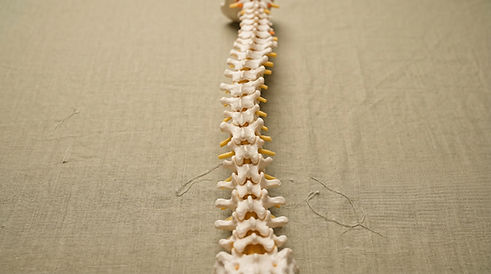
Early Scoliosis Care Matter
Scoliosis often develops during the rapid growth years of adolescence. If left unmonitored, spinal curves may continue to progress as the spine grows.
Early detection is critical. During the growth period, there is a greater opportunity to guide spinal development, improve posture, and help prevent further curve progression.
Our comprehensive adolescent scoliosis program is designed to support the growing spine through:
• Spinal Adjustments – Improve spinal mobility and alignment
• Leander Traction & Pelvic Correction – Restore spinal balance
• Specialized Scoliosis Exercises – Strengthen postural and spinal support muscles
• Scoliosis Bracing (when indicated) – Help guide proper spinal growth
The earlier scoliosis is identified, the better the opportunity to achieve positive long-term outcomes.
Our goal is to help young patients develop:
✔ Better Posture
✔ Improved Spinal Stability
✔ Enhanced Balance and Function
✔ Healthier Long-Term Spinal Development
If you are concerned about your child's posture, uneven shoulders, or spinal alignment, schedule an evaluation as early as possible. Early intervention can make a significant difference.
SCOLIOSIS TREATMENT
Don't wait until it's too late.
If you are concerned that your loved one may have scoliosis, please schedule a consultation with us. We will be happy to perform a thorough assessment and discuss the most appropriate treatment options based on their condition.